We are pursuing practical reforms to confront injustice and change lives for the better in 2026. In the face of challenges to justice here and overseas, we remain determined in our work and committed to our vision of a stronger, fairer society.
Holding police accountable for unauthorised and discriminatory ‘bail checks’
We are challenging NSW Police for routinely entering private property to ‘check’ someone is complying with bail conditions, without court authorisation or reasonably suspecting a breach of bail. These ‘bail checks’ often occur late at night, disrupting and intimidating families. They are unfairly used to target First Nations communities.
Later this year, we will argue before the NSW Supreme Court that police are overstepping their powers and trespassing when they conduct ‘bail compliance checks’ without court authorisation. With our clients – two mothers whose children were subjected to hundreds of bail checks in their homes across 20 months – we are seeking justice and reprieve for their families and communities.
We are also challenging this racially discriminatory police practice in the Federal Court, where our clients argue they were checked at disproportionately higher rates than non-Aboriginal young people, because they are Aboriginal.
Reforming police responses to domestic and family violence that harm women
NSW Police charging practices are resulting in victims-survivors of domestic and family violence (DFV) being wrongfully identified by police as the predominant aggressor. This is causing victim-survivors who are in need of protection being unnecessarily subject to ADVOs, criminal charges, re-traumatisation, and imprisonment.
A focus on an isolated incident rather than the context of the relationship hampers women’s access to justice for the violence committed against them. Increasing demand for legal assistance from our Homeless Persons’ Legal Service (HPLS) Women’s Service indicates this is an urgent and growing issue. More work needs to be done to address how the law characterises DFV, with current practices often detrimental to victim-survivors.
Police misidentification of women as the ‘predominant aggressor’ both drives and worsens homelessness. It disproportionately affects women already facing homelessness. It pushes women into homelessness by limiting access to support, isolating them from community and affecting employment.
HPLS provides immediate legal support to women impacted. We are also tackling the systemic drivers of this issue: by working with lived‑experience groups, partner organisations and academics to highlight the injustice of misidentification, develop solutions and call for urgent action from decision-makers.
Making air travel accessible for people with disability
Air travel remains inaccessible to many people with disability. Too many travellers with disability still face discrimination, unsafe practices, and barriers to independence when flying. In 2026, we will build on the momentum of reform processes underway to ensure people with disability have consistent, enforceable rights when they travel.
The Australian Government’s commitment to co‑designing new Aviation Disability Standards presents an important opportunity to embed accessibility across the aviation system. As members of the Aviation Accessibility Steering Committee, we are working with people with disability and sector partners to shape practical, enforceable Standards, informed by lived experience. We expect to see public consultation on draft Standards and further work to develop and implement these in 2026.
Our casework and policy advocacy also continue to expose the gaps that cause harm, from inadequate assistance to airlines applying inconsistent rules that block access to flights.
Rule changes for a fairer transition off gas
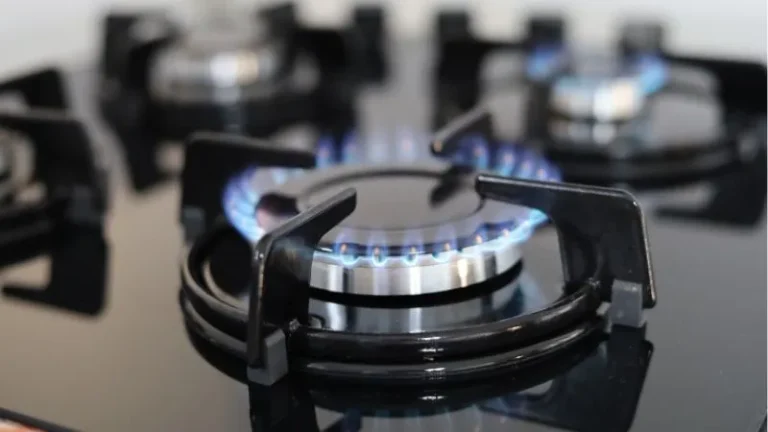
Household electrification is gaining momentum and the phasing-out of gas is not just good for households and the climate, but inevitable. But current rules and regulations are simply not up to dealing with this new reality. This is slowing the energy transition and leaving households paying unfair costs so gas networks can continue to profit.
As more households electrify, a smaller customer base will have to foot the increasingly expensive bill: with many renters and low-income households who are unable to make the switch left increasingly worse off.
We are working for a fairer transition, by calling on the Australian Energy Market Commission (AEMC) to adopt our recommended changes to the National Gas Rules. We have already seen progress, with the AEMC adopting fairer pricing for new gas connections to limit bill increases for people stuck on the network. We expect to see more progress later this year, with improved regulation of disconnection costs and a more equitable sharing of the cost of retiring infrastructure.
Ensuring NDIS changes are implemented fairly
The promise of the NDIS was to transform the lives of millions of people with disability, empowering them with equitable access to society and to live with greater independence. But recent public debate has participants concerned that the Australian Government’s proposed changes to the Scheme overlook their needs, in favour of ‘financial sustainability’.
In 2025, changes to the NDIS included the introduction of funding periods in participant plans, the announcement of the ‘Thriving Kids’ program and efforts aimed at increasing regulation of providers
As outlined in our NDIS Insights 2025-26 report, 2026 will see further development and implementation of changes to the Scheme, particularly regarding rules around new framework planning.
We are working with the disability community to ensure a fairer NDIS that supports independence. As a part of the NDIS Systemic Advocacy Working Group, we are continuing to work with disability representative organisations to ensure perspectives of people with disability are heard and NDIS participants’ interests are represented.
Protecting the rights of people experiencing homelessness
People experiencing homelessness who use public spaces should be treated with dignity and respect, which helps ensure their access to services and minimise traumatic interactions with authorities.
We are supporting StreetCare, an advisory group of people with lived experience of homelessness, to provide their expertise in the update of the Protocol for homeless people in public places by Homes NSW. The Protocol provides guidance to police, businesses and government on respectful and non-discriminatory engagement with people experiencing homelessness.
When people understand their legal rights and the limits of authority, the potential for harm from discrimination and misuse of power is reduced. We are updating the Know Your Rights brochure for 2026, to empower people experiencing homelessness with a better understanding of their rights in public places, particularly when dealing with police and other authorities.