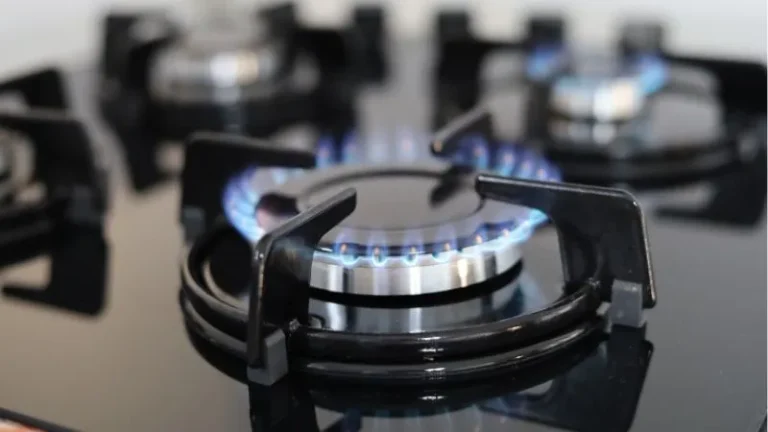
The cost of new connections to the gas network in NSW, the ACT, SA and south-east Queensland will soon be charged directly to the home or business requesting them. This means customers who can’t leave the gas network – including renters and low-income households – will no longer unfairly cover the cost.
This change was proposed by Energy Consumers Australia (ECA) as part of joint work with the JEC to overhaul the rules for gas networks.
Historically, gas companies have encouraged network growth by subsidising the cost of new connections – often for developers of new housing projects – by passing those costs on to all gas consumers via higher gas network fees.
After adopting the proposal, the Australian Energy Market Commission chair explained in the Sydney Morning Herald this approach was no longer fit for purpose when gas demand is projected to decline. The new rule ‘ensures those who benefit from new connections pay for them, while protecting existing customers from increased network costs’.
In Victoria, it costs $2,000 on average for a new gas network connection. The fee in NSW is projected to be similar when it comes into effect in October 2026.
‘Gas is a fossil fuel adding to greenhouse gas emissions when it leaks or is burned,’ explains Douglas McCloskey, Director of the JEC’s Energy and Water Justice program.
‘Having a gas connection as well as an electricity connection also means two regular bills with their own increasing network costs – unnecessarily adding hundreds of dollars to household energy costs each year.’
‘Many people who have the choice are disconnecting from gas and benefitting from cheaper, more efficient and cleaner renewable electricity. But renters and households who can’t afford the upfront costs of electrifying can be locked into using increasingly expensive gas. As the consumer base shrinks, the costs they pay to maintain the network will rise further.’
‘This change builds a more equitable system. While new connections are still allowed, it makes sense that the consumers who request a connection pay for it directly, limiting the unfair costs faced by households stuck with a gas connection they don’t want – so important when these are often the households already struggling with energy costs.’